
Whoa!
Okay, so check this out—browser extension wallets are everywhere now.
They make onboarding so much easier for people who just want to swap, stake, or test a new protocol.
But my instinct said somethin’ felt off about how casually many people treat them.
Here’s the thing.
I set up a new wallet last month and almost lost access because of a browser quirk.
It was a tiny change in permissions that I wouldn’t have noticed.
Really?
Initially I thought it was my mistake, but then realized the extension had a silent update that altered how it requested permissions from sites.
My head spun for an hour.
On one hand I trusted the extension because I’d used it before, though actually default settings can expose you in subtle ways.
That’s what bugs me.
Okay—some concrete rules help, and I’ve compiled the ones that mattered in practice.
I’m biased toward extensions that give granular permission controls and clear session management; this preference isn’t universal but it saved me.
Also, check your seed backups (oh, and by the way…).
Seriously?
Yes, seriously—automatic credential exports have bitten more folks than phishing in my experience.
On a practical level, treat extension wallets like a live account tied to your browser profile.
That means separate profiles, frequent permission audits, and hardware-wallet pairing when you hold appreciable funds.
Hmm…
Initially I thought hardware pairing was overkill.
But after testing, the difference in attack surface is huge and obvious.
On one hand the extension can be sandboxed; on the other hand a compromised browser or malicious site can trigger a bad transaction if the UI misleads you.
My instinct said trust the hardware approval every single time.
I’m not 100% sure this covers zero-day browser exploits, though.
Here’s what worked for me.
First, use an extension that limits site access by default and asks for origin-specific permissions.
Second, keep your wallet on a browser profile with no other extensions installed.
Third, enable transaction previews and confirmations on both extension and hardware device.
Fourth, practice small-value transactions before moving larger sums.
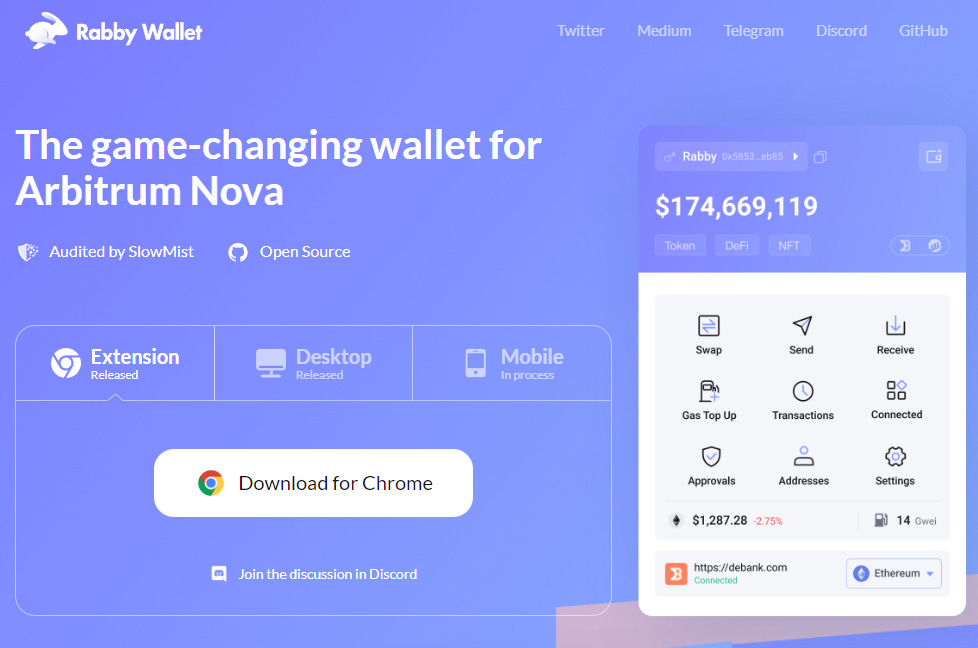
Okay, so check this out—Rabby Wallet does many of these things well in my tests.
I liked its permission UI and session features — very very helpful.
If you want to try it, download and review it from this page: https://sites.google.com/cryptowalletextensionus.com/rabby-wallet-download/
Oh, and by the way, always verify the extension’s origin and checksum when possible.
Somethin’ about package integrity just matters.
Practical tips and red flags
There are also social-engineering risks that no amount of software settings fully eliminate.
Watch for fake support chats and bogus transaction popups.
I once saw a phishing dApp mimic the extension UI so well I almost clicked approve.
Whoa!
Don’t be in a rush.
On the policy side, extensions should offer clearer consent flows and audit logs.
I’m not 100% sure regulators will get there fast enough.
Still, as users we can demand better defaults and reward projects that honor least-privilege design.
That means supporting open-source wallets and reading release notes.
It takes extra time, yes, but your funds are at stake.
I’m biased, but a cautious user wins more often than an impulsive one.
Try a dry run with small amounts.
And keep your recovery phrase offline, split it into parts if you must, and store them in secure places.
On the whole, browser extension wallets are powerful and convenient; they just demand respect and intentional setup.
I’ll leave it there.
FAQ
How do I reduce the risk of a compromised browser profile?
Use a dedicated browser profile for your wallet with minimal extensions installed, enable hardware confirmations for significant transactions, audit site permissions regularly, and back up your seed phrase offline; also consider a disposable profile for high-risk dApp interactions.